

Compare Natural Supplements and Find Your Fit
With so many options on the market, choosing the right supplement can feel overwhelming. This guide is built to help you evaluate different vitamins, minerals, and botanicals against your specific wellness objectives.
We provide a side-by-side look at how various natural ingredients compare in terms of their primary benefits, absorption rates, and common uses. Use these comparisons to streamline your daily routine.
Every comparison here focuses on practical fit: how a choice actually integrates into your lifestyle, your diet, and your wellness goals. No hype, no miracle claims — just grounded, research-informed guidance.
Multivitamins vs. Targeted Supplements
Should you take a broad-spectrum formula or a focused stack?
Multivitamins offer convenience and a broad nutritional safety net in a single serving. They cover the most common gaps in a typical diet and require no planning beyond remembering to take them each morning. For someone with a varied, generally balanced diet who wants backup coverage, this approach has clear appeal.
Targeted supplements take a different approach. Instead of a little of everything, they deliver higher amounts of specific nutrients you may actually be lacking — say, magnesium for recovery, vitamin D3 for winter months, or a botanical extract for energy support. This lets you match intake to your real needs, but it requires more awareness of what those needs are.
Broad-Spectrum
- + Convenient single-serving format
- + Covers common dietary gaps
- − Lower per-nutrient dosing
- − May include nutrients you already get
Targeted Stack
- + Higher doses of specific nutrients
- + Tailored to your actual needs
- − Requires more research and planning
- − Multiple products to manage
Assess your diet honestly before choosing. If your meals are inconsistent or restricted, a multivitamin provides useful coverage. If you know exactly what you are missing, targeted supplements let you fill those gaps precisely.
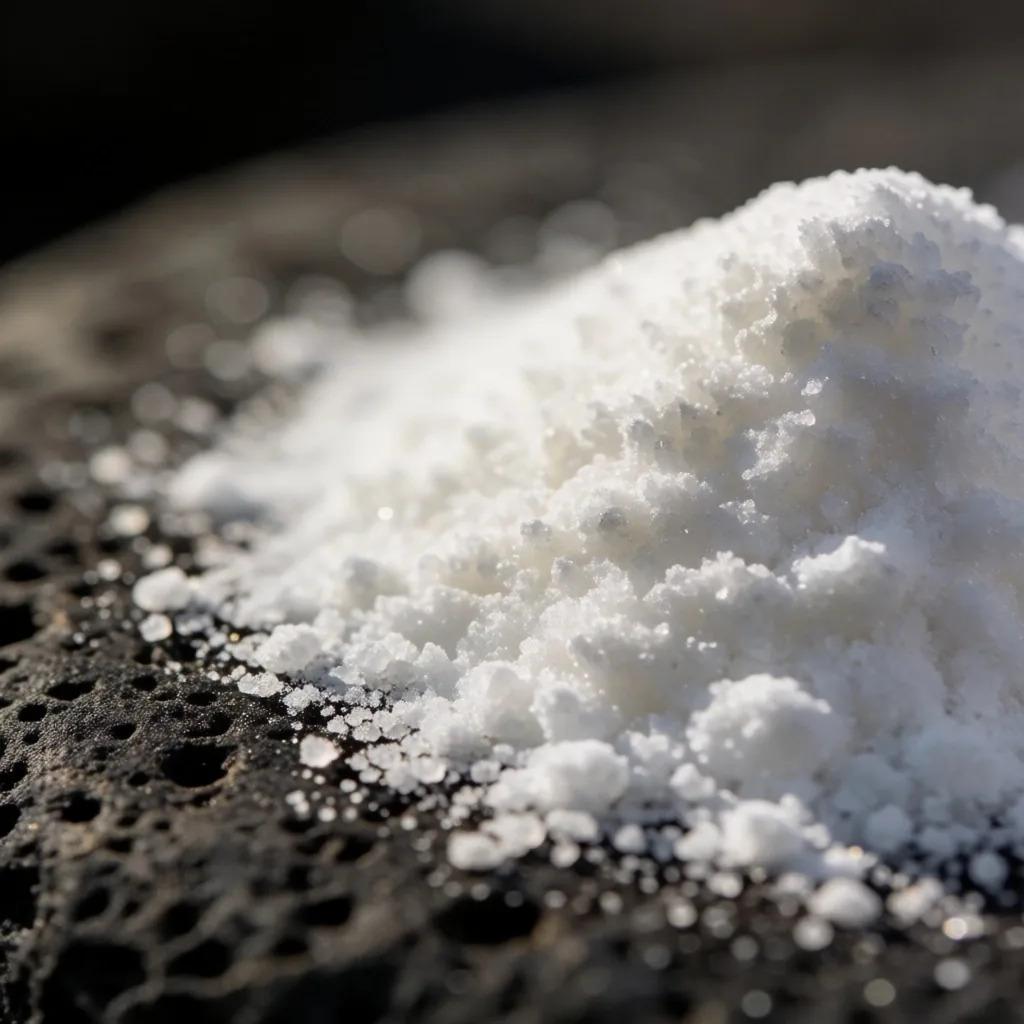
Comparing Different Forms of Magnesium
Not all magnesium is the same compound.
The form of magnesium you take changes what it does in your body. Magnesium citrate is often used for digestive support because it draws water into the intestines. Magnesium glycinate, by contrast, is favored for its high bioavailability and calming qualities — it is bound to the amino acid glycine, which has a quieting effect on the nervous system.
The difference comes down to chelation — the process of binding the mineral to another molecule that helps your body absorb it. Different bonds produce different absorption rates and different effects on the body. Choosing the right form means matching it to your goal.
Magnesium Citrate
Bound to citric acid. Good absorption. Often chosen for digestive regularity and basic mineral replenishment.
Magnesium Glycinate
Bound to glycine. Highly bioavailable. Favored for calming the nervous system, supporting restful sleep, and muscle relaxation.
Read the label before buying — the form matters more than the total milligram count. A high dose of a poorly absorbed form delivers less usable mineral than a moderate dose of a well-chelated one.
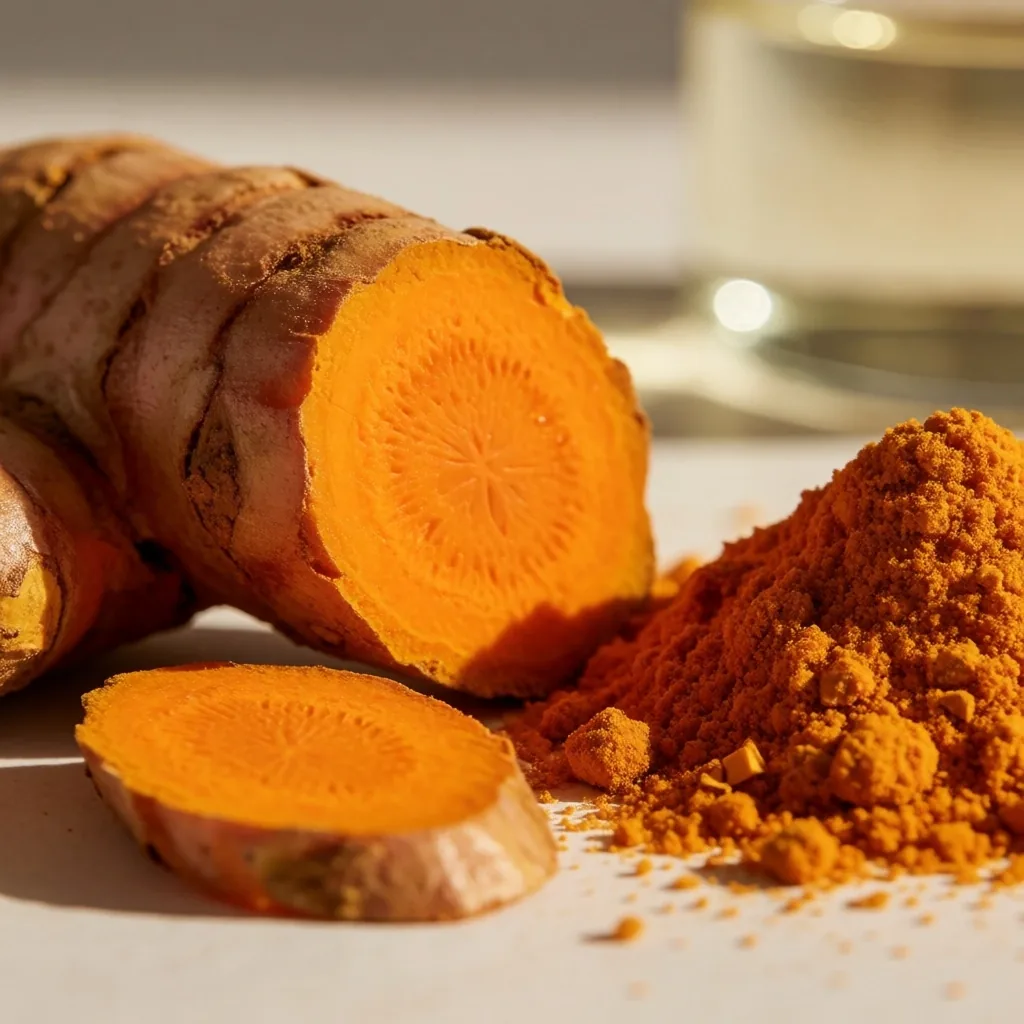
Botanical specimens like turmeric are sold as both whole-root powder and standardized extract.
Herbal Extracts vs. Whole Herb Powders
When you look at botanicals like ginseng or turmeric, you will see both extracts and whole-herb powders on the shelf. They are not the same product in different packaging — they deliver the active compounds in fundamentally different concentrations.
Standardized extracts isolate specific active compounds and concentrate them to a guaranteed percentage. A turmeric extract standardized to 95 percent curcuminoids delivers far more of the active compound per gram than whole turmeric powder, which naturally contains around 3 percent. This means a smaller dose of extract can match or exceed a much larger dose of powder.
Whole herb powders have their own case. They retain the full spectrum of naturally occurring compounds in the plant, some of which may work together in ways research has not fully mapped. For daily, low-intensity use, some people prefer this whole-food approach.
Extracts deliver concentrated, standardized levels of active compounds; powders offer naturally occurring levels.
Standardized extracts guarantee a specific percentage per batch; whole powders vary with harvest and soil.
Extracts cost more per gram but require smaller doses; powders are cheaper but you need more to reach the same intake.
Check the label for standardization language — a percentage like 95 percent curcuminoids or 5 percent ginsenosides tells you exactly what you are getting per serving.
Plant-Based vs. Animal-Derived Nutrients
For many men, the source of their supplements matters as much as the nutrient itself. Dietary preferences, ethics, and digestibility all play a role. Two nutrients where this question comes up most often are omega-3 fatty acids and vitamin D3.
Traditional omega-3 supplements derive from fish oil, which provides EPA and DHA directly. Algae oil provides the same EPA and DHA — in fact, fish get their omega-3s from eating algae. The plant-based version skips the middle step entirely, offering a direct source that works well for vegetarians and those concerned about marine sourcing.
Vitamin D3 is most commonly derived from lanolin, a wax found in sheep's wool. For those avoiding animal products, D3 from lichen offers a plant-based alternative. Lichen is a composite organism of fungi and algae, and certain species naturally produce vitamin D3 in a form your body recognizes and uses the same way.
Absorption and efficacy are comparable between sources for both nutrients. The choice largely comes down to personal values and dietary framework rather than a meaningful difference in how your body processes the nutrient.
Omega-3 Sources
Fish oil delivers EPA and DHA directly. Algae oil delivers the same fatty acids from the original plant source. Both are effective; algae oil suits plant-based diets.
Vitamin D3 Sources
Lanolin (sheep's wool) is the most common source. Lichen provides a plant-based D3 that your body processes the same way. Both raise blood levels effectively.
Natural Energy Boosters: Caffeine vs. Adaptogens
The Quick Hit
Caffeine is the most widely used stimulant in the world. It works by blocking adenosine receptors, the molecules that signal fatigue to your brain. The result is a sharp, immediate increase in alertness and focus that peaks within 30 to 60 minutes.
The trade-off is equally sharp. As caffeine wears off, the accumulated adenosine floods the receptors, producing a crash. Regular use also builds tolerance, meaning the same dose produces diminishing effects over time.
The Slow Burn
Adaptogens like maca root, ashwagandha, and rhodiola work on a completely different timeline. Rather than blocking fatigue signals, they interact with the body's stress response systems, helping to build resilience over weeks of consistent use.
There is no immediate jolt. Instead, users typically report a gradual improvement in baseline stamina and a steadier energy curve throughout the day — without the crash. The catch is patience: adaptogens require daily, consistent use to produce results.
How to Use Both Caffeine suits acute needs — a workout, a deadline, a long drive. Adaptogens suit chronic needs — building daily stamina, managing stress load, supporting overall energy balance. Many people use both: caffeine for immediate demands, adaptogens for long-term foundation. Avoid taking caffeine late in the day, as its half-life can interfere with sleep quality.
Antioxidant Powerhouses: Vitamin C vs. Green Tea
Both fight oxidative stress, but through different pathways.
Vitamin C is a water-soluble vitamin your body cannot produce on its own. It is essential for tissue repair, collagen formation, and normal immune function. As an antioxidant, it neutralizes free radicals in the fluid environment of your cells and helps regenerate other antioxidants like vitamin E.
Green tea extract contains a family of antioxidants called catechins, with EGCG being the most studied. EGCG is particularly effective for metabolic health — it supports the body's natural fa oxidation processes and may help maintain healthy blood vessel function. Unlike vitamin C, green tea compounds are fat-soluble and can integrate into cell membranes.
- Supports tissue repair and collagen formation
- Essential for immune system function
- Water-soluble — needs daily replenishment
- Helps regenerate vitamin E
- Contains EGCG for metabolic support
- Supports blood vessel function
- Fat-soluble — integrates into cell membranes
- Provides a mild, steady caffeine source
These two antioxidants work through different mechanisms, so they can complement each other well. If your environment involves high pollution, intense sun exposure, or heavy physical training, prioritizing vitamin C makes sense. For metabolic and cardiovascular support, green tea extract offers distinct advantages. Many routines benefit from including both.
Budget vs. Premium Supplements
Is the more expensive supplement always better? Not necessarily. Understanding what drives cost helps you decide where to invest and where to save without sacrificing quality.
Where Premium Earns Its Price
Superior sourcing means raw materials from regions known for producing high-quality botanicals — Indonesian highland herbs, for instance, grown in volcanic soil at altitude. Third-party testing for purity and contaminants adds cost but provides assurance that what is on the label matches what is in the container. Patented delivery systems, like liposomal or enteric-coated formats, can meaningfully improve absorption for nutrients that are otherwise hard to absorb.
Where You Can Save
Basic vitamins like vitamin C and the B-complex are inexpensive to produce and well-absorbed in standard forms. There is little reason to pay premium prices for these. Similarly, minerals like calcium and iron in their common forms are effective without specialized delivery systems. Store brands from reputable retailers often meet the same quality standards as name brands for these basics.
How to Decide
Invest in quality for botanical extracts, omega-3s, and fat-soluble vitamins, where sourcing, freshness, and absorption technology genuinely matter. Save on basic water-soluble vitamins and common minerals where standard forms work well. Read labels for standardization percentages, third-party testing marks, and the actual form of each nutrient listed.
Evaluating Solubility: Water vs. Fat Soluble
Knowing which type you are taking changes when and how you take it.
Understanding whether a vitamin is water-soluble or fat-soluble is essential for proper usage. Fat-soluble vitamins require dietary fa for absorption and can be stored in body tissue, meaning they accumulate over time. Water-soluble vitamins dissolve in water, are absorbed directly into the bloodstream, and excess amounts are excreted — so they need more frequent replenishment.
This distinction affects your daily schedule. Take fat-soluble vitamins with a meal containing some fa. Take water-soluble vitamins at any time, but spread B-complex intake across the day if possible, since excess is excreted quickly.
Water-Soluble
Dissolve in water; excess is excreted. Take any time, with or without food.
Includes: Vitamin C, B-Complex (B1, B2, B3, B5, B6, B7, B9, B12)
Fat-Soluble
Require dietary fa for absorption; stored in body tissue. Take with meals containing fa.
Includes: Vitamins A, D, E, and K
How We Evaluate Supplements
Daya Pria is an educational resource, not a retailer. Our comparisons are built from published nutritional science, ingredient labels, and practical usage context — never marketing claims from manufacturers.
Source From Published Research
We reference peer-reviewed nutritional science and publicly available dietary guidelines. We do not accept manufacturer-funded studies as sole evidence for a claim.
Read the Actual Label
Every comparison is based on what is printed on the supplement label — the form of the nutrient, the standardization percentage, and the serving size. Marketing language on the front of the package is not part of our evaluation.
Prioritize Practical Fit
We focus on how a supplement fits into a real daily routine — absorption timing, dietary interactions, and what to expect from consistent use. Not theoretical perfection, but practical effectiveness for an actual person with an actual schedule.
Update When the Science Changes
Nutritional understanding evolves. When new evidence reshapes how a nutrient or botanical is understood, we revise our comparisons to reflect the current consensus.
These guides are informational and not a substitute for advice from a qualified health professional. Supplements are intended to support wellness, not to replace a balanced diet or professional guidance tailored to your individual needs.
Take the Next Step in Your Wellness Routine
Now that you understand how different supplements compare, explore our detailed guides on specific ingredients, browse our superfood profiles, or review the standards behind every recommendation we publish.