

Daya Pria · Vitality Vitamins · Jakarta
Essential Vitamins for Male Vitality
The Spark
Vitamins ignite thousands of biochemical reactions in the body. For men seeking to maintain high energy and metabolic health, certain micronutrients are non-negotiable.
The Method
This page breaks down each essential vitamin and mineral that supports masculine vitality, explaining why it matters and how to ensure you are getting enough through diet and natural supplements.
The Goal
Understanding these elements is the first step toward optimizing daily performance and long-term health — grounded in nutritional science, not hype.
Chapter 01
B-Complex
The Energy Engine

The B-vitamin group — including B6, B12, and Folic Acid — is critical for converting the food you eat into usable cellular energy. Without sufficient B-vitamins, you may feel sluggish and unfocused even if your caloric intake is high.
These water-soluble vitamins support the nervous system and red blood cell production. B12 in particular helps your body maintain the nerve coatings that carry signals efficiently, while B6 participates in the synthesis of neurotransmitters that regulate mood and focus.
Since the body does not store most B-vitamins, daily replenishment through whole foods or supplements is vital for consistent stamina. Good dietary sources include eggs, poultry, fish, fortified grains, and leafy green vegetables. For men following plant-based diets, B12 supplementation is often necessary because it occurs naturally only in animal products.
Signs of low B-vitamin intake include persistent fatigue, difficulty concentrating, and a general sense of running below capacity. If you work long hours indoors — as many Jakarta professionals do — maintaining adequate B-complex intake becomes part of protecting your daily output.
Chapter 02
Vitamin D3 & the Sunshine Synergy
Despite Indonesia being a sun-drenched country, many urban professionals struggle with Vitamin D deficiency due to indoor work and consistent sun protection. Vitamin D3 acts more like a hormone than a vitamin, influencing bone density, immune response, and hormonal balance.
Your skin manufactures Vitamin D when exposed to UVB sunlight. Even fifteen minutes of midday sun on exposed arms and face can produce meaningful amounts — but office routines, commutes, and conscientious sun avoidance can reduce this natural pathway significantly.
We explain the importance of pairing D3 with Vitamin K2 for proper calcium distribution. D3 helps your body absorb calcium from food, while K2 directs that calcium into bones and teeth rather than soft tissues. Taking them together is a simple way to improve the effectiveness of both.
Ensuring your D3 levels are optimal is a foundational step for maintaining physical strength and a resilient immune system. A simple blood test can confirm your status, and supplementation through the rainy season is a reasonable strategy for men who spend most daylight hours indoors.

Pair D3 with K2 for calcium routing
Chapter 03
Magnesium
For Recovery and Relaxation
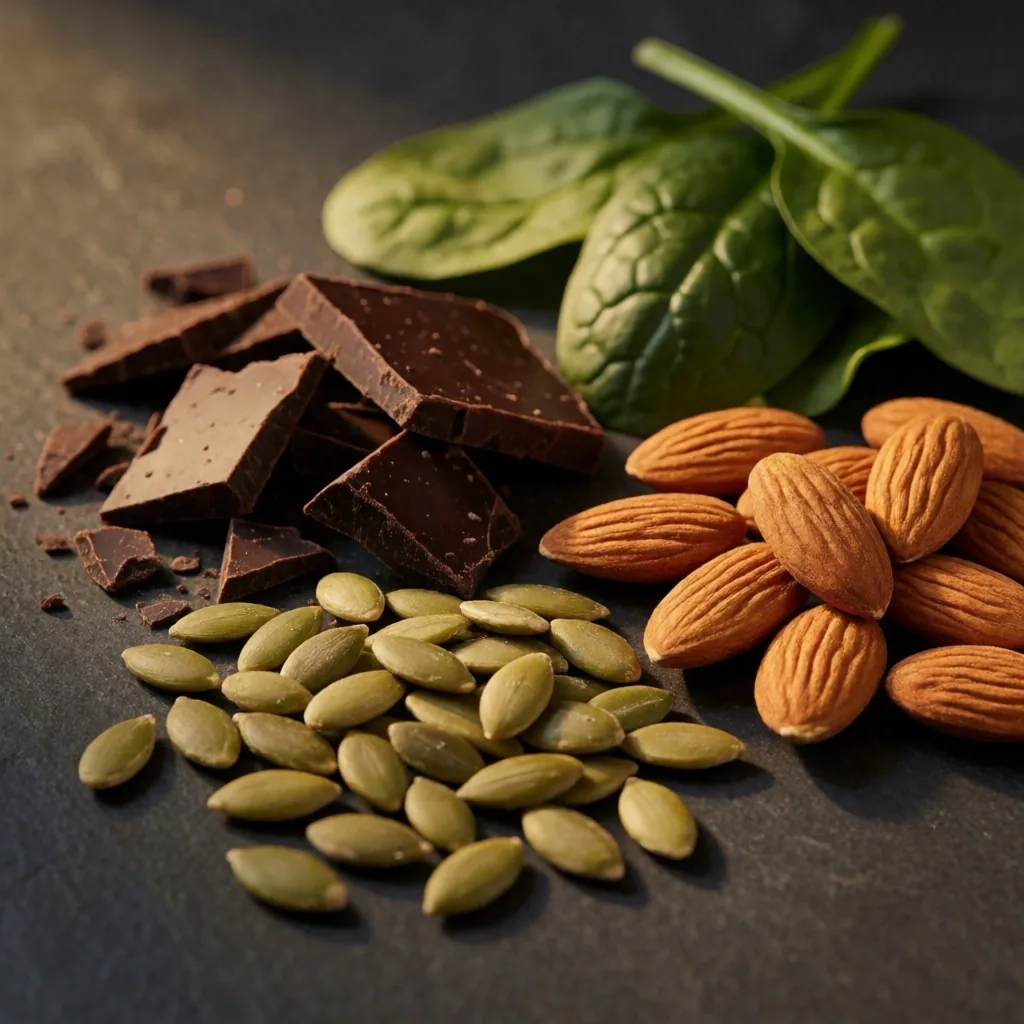
Magnesium is involved in over 300 enzymatic reactions, including muscle contraction and relaxation. For men who stay active, magnesium is essential for preventing cramps and supporting muscle recovery after exercise.
It also plays a significant role in sleep quality by helping the nervous system wind down. Many men who train hard or carry work stress find that their sleep improves noticeably once they address a magnesium gap. The mineral supports the production of GABA, a calming neurotransmitter that quiets an overactive mind at night.
Different forms of magnesium suit different goals. Magnesium citrate is well-absorbed and tends to support digestion and general replenishment. Magnesium glycinate is gentler on the stomach and is often preferred for sleep and relaxation. Magnesium malate may suit men focused on physical output and recovery.
Food sources include pumpkin seeds, almonds, dark leafy greens, and dark chocolate. The form you choose should match your specific wellness goals rather than a single generic recommendation.
Chapter 04
Zinc — The Essential Mineral for Men
Zinc is perhaps the most important mineral for male-specific health. It supports protein synthesis, immune function, and the maintenance of healthy levels of natural markers within the body.
Active men might lose this mineral through sweat, making consistent intake important for those who train in Jakarta's heat. The body has no dedicated zinc storage system, so a steady dietary supply is necessary.
Balancing zinc intake is crucial, as both deficiency and excess can impact your metabolic equilibrium. Too little zinc can weaken immune response and slow recovery; too much can interfere with copper absorption and cause its own imbalances.
The richest food sources include oysters, beef, pumpkin seeds, and chickpeas. A daily intake from whole foods is the most sustainable approach, with supplementation reserved for documented gaps.
Zinc Quick Reference
Chapter 05
Antioxidants: Vitamins C and E
Environmental factors in large cities like Jakarta can increase oxidative stress on the body. Traffic pollution, heat, and daily stress all generate free radicals that damage cells over time.
Vitamins C and E work as a powerful antioxidant duo to neutralize free radicals and protect your cells from damage. Vitamin C is water-soluble and works inside the fluid portion of cells; Vitamin E is fat-soluble and protects cell membranes from lipid oxidation.
Vitamin C also supports collagen production for joint health and skin integrity. Vitamin E protects the membranes that surround every cell, helping maintain their structural integrity against oxidative wear.
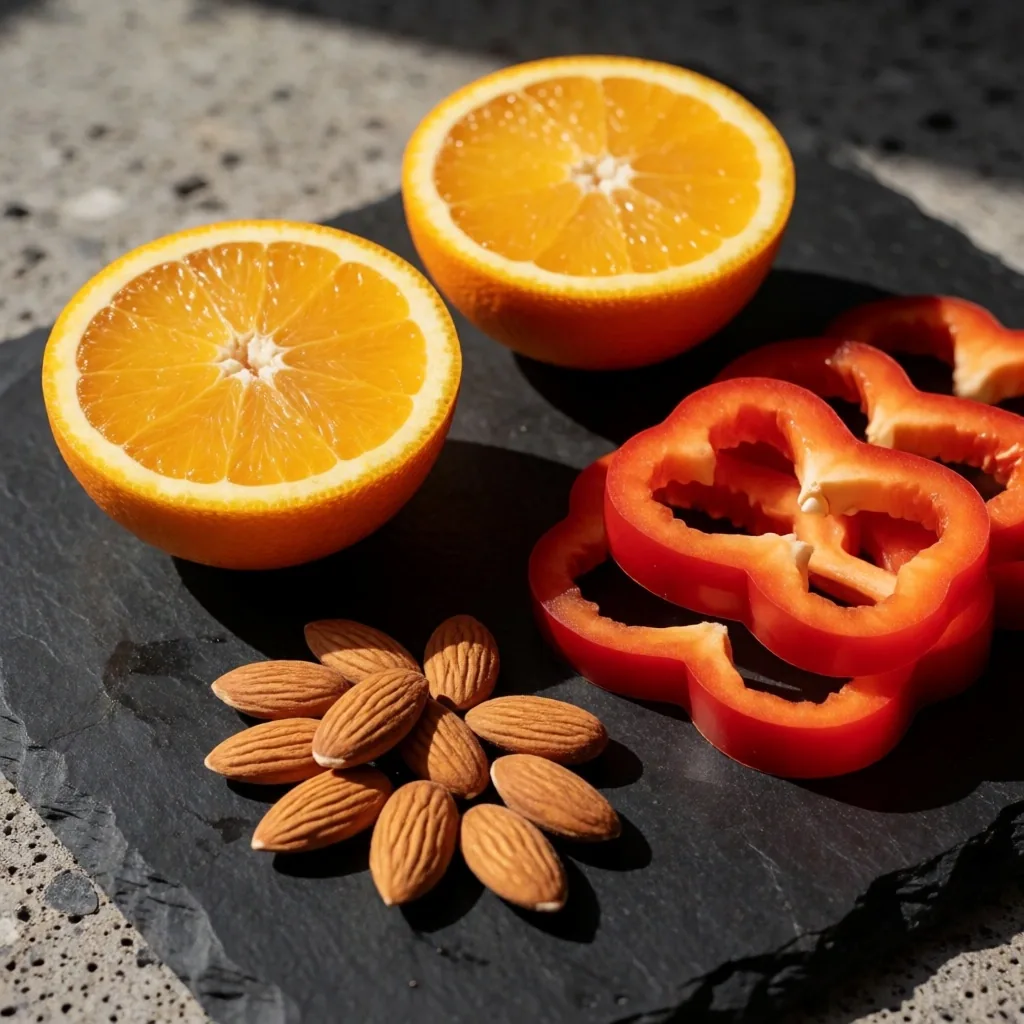
Together, these vitamins are essential for maintaining youthful vitality and supporting the body's natural defense mechanisms. Good sources include citrus fruits, berries, bell peppers for Vitamin C, and almonds, sunflower seeds, and avocado for Vitamin E.
Chapter 06
The Importance of Vitamin A
Vitamin A is often associated with eye health, but its role in men's vitality goes much further. It is necessary for cell growth and the maintenance of healthy skin and mucous membranes, which are the body's first line of defense.
There are two main forms. Preformed Vitamin A (retinol) is found in animal products like liver, eggs, and dairy. Provitamin A (beta-carotene) is found in orange and dark green vegetables like carrots, sweet potatoes, and spinach. Your body converts beta-carotene to Vitamin A as needed.
Balancing your intake means combining both sources. Whole-food beta-carotene from vegetables is generally safe because the body regulates its conversion. Retinol from animal sources is more direct but can accumulate if consumed in excess through high-dose supplements.
This balance supports both your vision and your immune system, giving your body the raw materials it needs for tissue maintenance and cellular renewal.

Chapter 07
Trace Minerals: Selenium and Boron
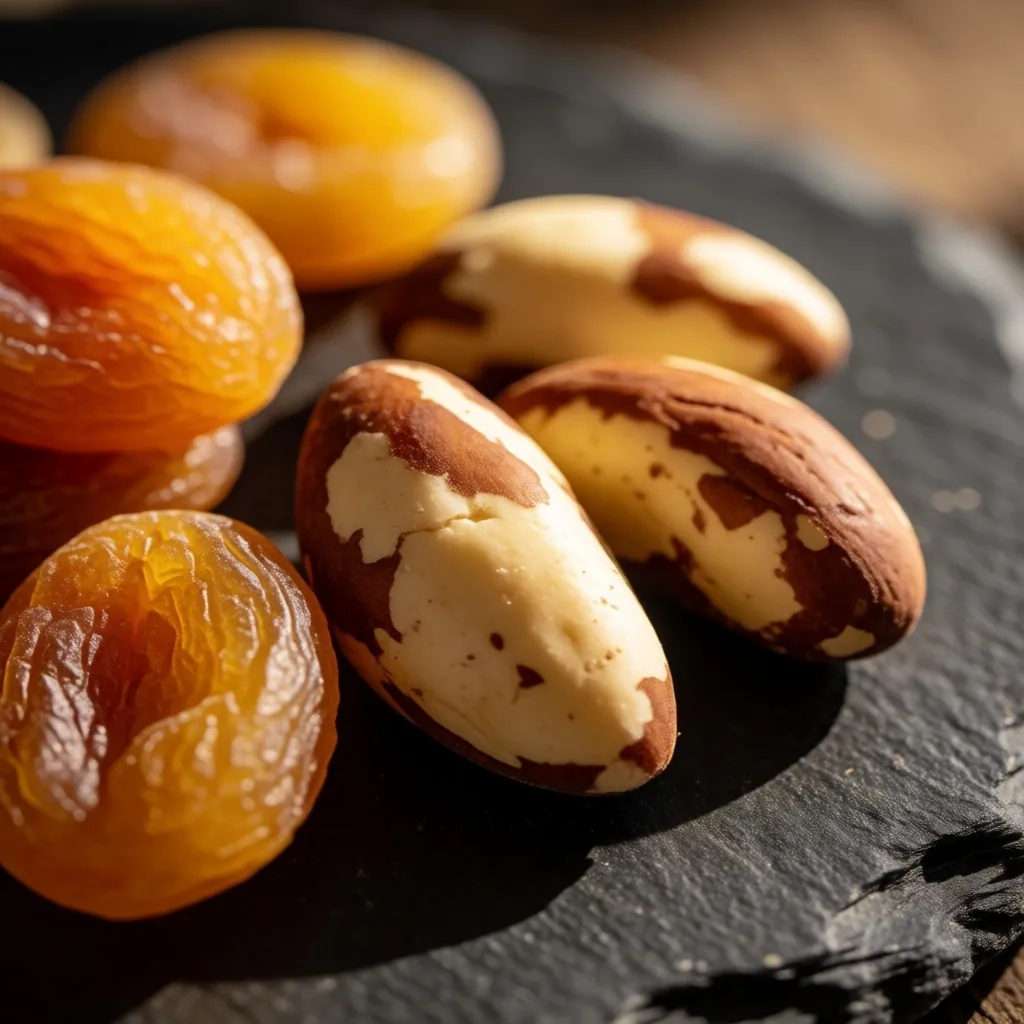
While needed in only small amounts, trace minerals like Selenium and Boron are vital for metabolic efficiency. Selenium acts as a potent antioxidant, working alongside Vitamin E to protect cells from oxidative damage.
Boron is studied for its role in bone health and mineral metabolism. Though less commonly discussed, it appears to help the body retain calcium and magnesium, supporting overall skeletal integrity.
Selenium-rich foods include Brazil nuts, fish, and eggs. Just one or two Brazil nuts per day can meet your selenium requirement — more is not better, as excess selenium can be harmful. Boron is found in raisins, prunes, and avocados.
Small adjustments in trace mineral intake can often lead to noticeable improvements in how you feel and perform. These minerals contribute to the overall synergy of a man's nutritional profile, rounding out the foundation built by the major vitamins.
Chapter 08
Designing Your Vitamin Routine
Consistency is the most important factor when it comes to supplementation. A modest routine followed daily outperforms an ambitious plan abandoned after two weeks. We provide practical advice on how to integrate vitamins into your daily schedule.
Fat-soluble vitamins — A, D3, E, and K2 — should be taken with a meal containing some fa for better absorption. Water-soluble vitamins like the B-complex and Vitamin C can be taken with or without food, though taking them with breakfast can help establish a stable habit.
Magnesium is often taken in the evening to support relaxation and sleep. Zinc is best taken with food to avoid nausea. Spacing minerals apart from each other and from coffee can improve absorption, since caffeine and calcium can interfere with uptake.
Our guide focuses on building a sustainable habit that supports your vitality year-round without overwhelming your system. Start with the nutrients most relevant to your lifestyle, then layer in others as your understanding grows.
Our Editorial Standards
How We Research
Every nutrient guide on Daya Pria follows a transparent process so you can trust what you read and apply.
Source Review
We draw from established nutritional databases and published food science research, not marketing claims or brand-sponsored summaries.
Plain Language
We translate dense nutritional science into clear, everyday guidance that an active professional can actually use in their weekly routine.
No Medical Claims
We focus on wellness, natural energy, and nutritional support. This site does not provide medical advice, diagnosis, or guarantees of specific outcomes.
Regular Updates
Our guides are reviewed and updated as nutritional understanding evolves. Pages carry their latest revision context so you know the information is current.
These products are intended as dietary supplements and are not a substitute for a varied diet. Consult a qualified health professional before starting any new supplement routine, especially if you have existing health concerns.
Read the full editorial policyDaya Pria
Jl. Ahmad Yani No. 15
Cempaka Putih, Jakarta Pusat
10510, Indonesia
Contact
+62 21 4287 2692
[email protected]
Mon–Fri: 09:00–18:00
Continue Reading