

Comprehensive Wellness Guides
Navigating natural health can be overwhelming. Our guides provide clear, analytical, and practical advice on improving your lifestyle through better nutrition and supplementation — going beyond simple lists into timing, combinations, and the lifestyle factors that shape your daily vitality.
A Field Manual for Modern Vitality
These guides serve as your roadmap to a more vital life. Whether you are just beginning to explore natural wellness or you are a seasoned enthusiast refining your routine, each article below breaks down a specific topic into clear, actionable steps.
We cover the full arc of men's wellness: how to time your supplements for better absorption, how to build sleep and recovery into a demanding work week, how to read an ingredient label without being fooled by marketing language, and how to adapt your routine as your body changes through each decade. Every guide is written to be practical first — no vague advice, no filler.
The Foundations of Supplement Timing
When you take your vitamins can be just as important as what you take. Some nutrients are best absorbed with fats, while others should be taken on an empty stomach for maximum efficacy.
We provide a comprehensive breakdown of the ideal schedule for common supplements like magnesium, vitamin D, and B-complex. Fat-soluble vitamins — A, D, E, and K — pair well with a meal containing healthy oils. Water-soluble vitamins like B-complex and vitamin C generally absorb well on an empty stomach, though taking them with food can reduce stomach discomfort.
Minerals can compete for absorption. Calcium and iron, for instance, are better taken at separate times. Magnesium pairs well with an evening routine, supporting relaxation before sleep. Mastering the clock ensures you get the full value out of every capsule and avoid interference between nutrients.
- · Fat-soluble vs. water-soluble timing windows
- · Mineral pairing and absorption conflicts
- · Evening vs. morning scheduling logic
- · How food intake changes nutrient uptake
Optimizing Sleep for Physical Recovery
Sleep is the ultimate supplement. Without adequate rest, your body cannot effectively repair tissue or regulate the systems that govern energy and focus during the day.
Our guide explores natural ways to improve sleep quality, including the use of magnesium and calming herbal teas in the evening. We also discuss the impact of light exposure — particularly blue light from screens — and how caffeine timing affects your circadian rhythm well into the afternoon.
A focused approach to rest amplifies the benefits of your nutritional routine. The hour before bed matters as much as the hours of sleep themselves.
- · Magnesium glycinate in the evening for relaxation
- · Caffeine cutoff 8–10 hours before bed
- · Dimming screens and ambient light after sunset


Nutrition for the Urban Professional
Life in Jakarta often involves long commutes, desk-bound work, and irregular meal times. Maintaining high energy levels and metabolic wellness under these conditions requires strategy, not willpower alone.
We offer practical approaches: healthy snacking with nuts and fruit rather than processed convenience food, staying hydrated in a tropical climate where humidity accelerates fluid loss, and using targeted supplements to bridge the gaps that a busy corporate schedule creates.
You do not need hours of meal preparation each week. The goal is a sustainable routine — one that holds up on a packed meeting day and does not collapse the moment your schedule shifts.
B-complex and adaptogenic support for sustained focus through afternoon slumps.
Electrolyte awareness in tropical heat — water alone is not always enough.
Counteracting sedentary hours with brief, intentional activity breaks.
Understanding Ingredient Labels
Don't be fooled by flashy packaging. Learning how to read and interpret supplement labels is a crucial skill for any health-conscious man.
We explain what to look for: standardized extracts (which indicate consistent active compound levels), realistic serving sizes, and the presence of fillers, binders, or artificial colors that add bulk without benefit. A short ingredient list with recognizable compounds is generally a better sign than a long one full of proprietary blends.
This guide empowers you to choose products that are effective and honestly formulated — ensuring you are investing in your wellness rather than just marketing.
- 01Standardized extract percentage — confirms active compound concentration
- 02Serving size vs. suggested daily intake — avoid misleading comparisons
- 03Fillers and excipients — magnesium stearate, titanium dioxide, artificial dyes
- 04Third-party testing notes — indicates independent verification of contents
- 05Form of the nutrient — citrate, glycinate, oxide forms differ in absorption
Natural Support for Immune Resilience
A strong immune system is your best defense against the stresses of modern life. We examine the roles of vitamin C, zinc, and elderberry in supporting your body's natural barriers, alongside the lifestyle factors — stress management, sleep quality, and moderate exercise — that contribute to lasting resilience.
Vitamin C
A water-soluble antioxidant that supports cellular defense. Best taken in divided doses throughout the day rather than one large serving, as the body excretes what it cannot use at once.
Zinc
A trace mineral involved in hundreds of enzymatic processes. Zinc lozenges and capsules can support immune function, but regular high doses can interfere with copper absorption — balance matters.
Elderberry
A traditional botanical with a long history of seasonal use. Elderberry extracts offer concentrated flavonoids that complement a foundation of good sleep, regular movement, and managed stress.
By taking a proactive approach to your defenses, you can maintain your vitality through every season and environment. No single nutrient replaces the basics — but the right combination, timed well, gives your body the materials it needs.
Building a Sustainable Exercise Routine
Supplements work best when paired with physical activity. But the hardest part of fitness is not starting — it is maintaining.
We provide guidance on how to start and sustain a routine that supports your long-term wellness goals. From strength training to cardiovascular work, we discuss how different types of exercise change your nutritional needs, and why protein intake, hydration, and recovery nutrients matter more as training intensity rises.
Our focus is sustainability. A routine you can hold for decades beats one that burns out in three weeks. That means starting at a realistic level, progressing gradually, and building rest into the schedule — not training through pain or skipping recovery.

Stress Management through Natural Means
Chronic stress is a major drain on male vitality. It affects sleep, energy, focus, and motivation — and left unmanaged, it compounds over time.
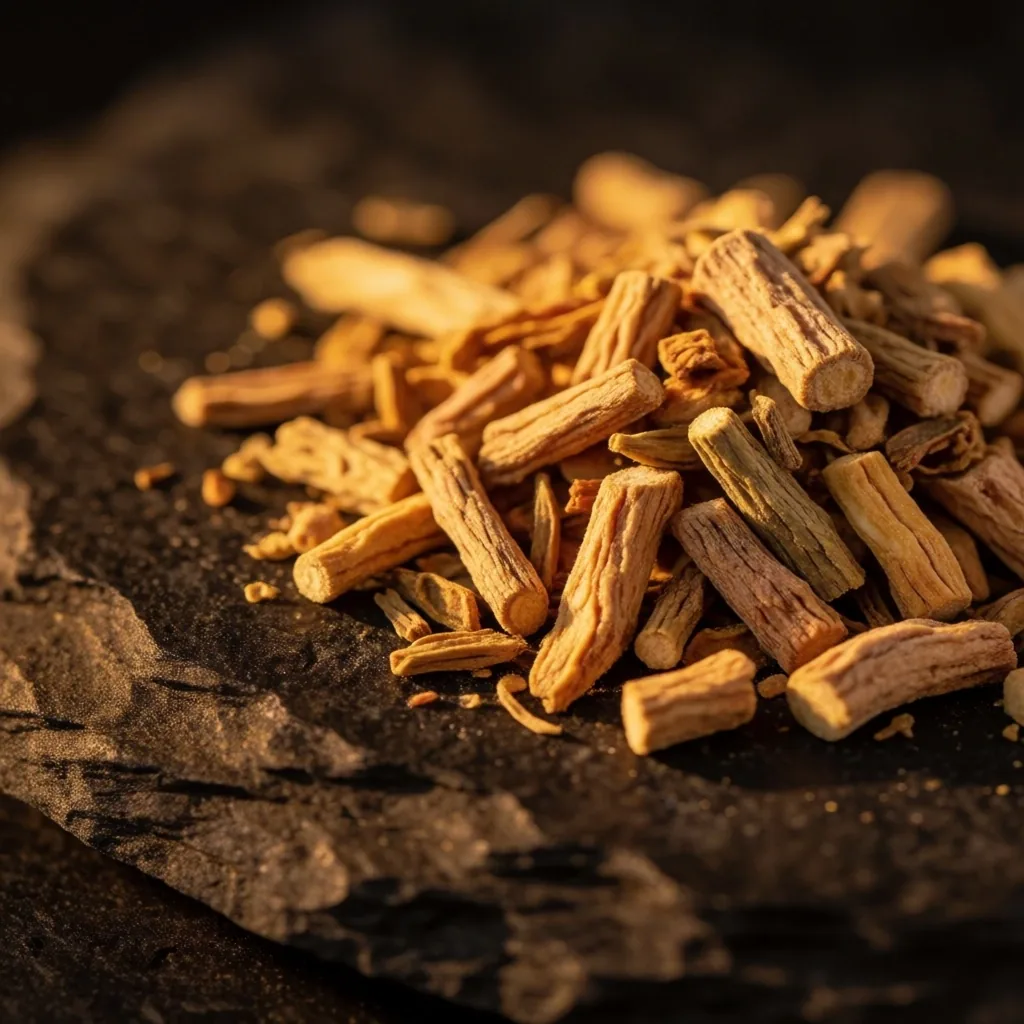
We explore the use of adaptogenic herbs like rhodiola and ashwagandha, which have a long history of traditional use for helping the body adapt to mental and physical pressure. These are not quick fixes; they work gradually when taken consistently over weeks.
Beyond supplementation, we provide simple breathing techniques and mindfulness practices you can use throughout the day — at your desk, during a commute, or before a difficult conversation. Managing stress is a key component of a holistic wellness strategy that preserves your energy for what matters most.
- · Box breathing: four counts in, hold, out, hold
- · Five-minute outdoor walks between focused work blocks
- · Evening journaling to offload mental clutter before sleep
- · Consistent adaptogen use for four to six weeks before assessing
Age-Specific Wellness Strategies
A man's nutritional needs in his 20s are different from those in his 50s. We break down the key focus areas for each decade of life — from building a strong foundation of muscle and bone in youth to supporting cognitive and cardiovascular wellness in later years. Proactive wellness is about being prepared for every stage of your life.
Foundation Building
Peak bone density, muscle development, and establishing habits that pay compound interest. Focus on protein quality, strength training consistency, and sleep architecture. This is the decade to build the physical baseline everything else rests on.
Sustaining Output
Career pressure and family responsibilities compete with training time. Efficiency matters: shorter, higher-intensity sessions, strategic supplementation, and protecting sleep against a demanding schedule. Magnesium and B-complex become increasingly relevant.
Recovery Focus
Recovery takes longer and joint health demands attention. Omega-3 intake, anti-inflammatory nutrition, and mobility work move from optional to essential. Quality of movement matters more than quantity — training smart prevents setbacks.
Longevity & Clarity
Cognitive support and cardiovascular wellness take center stage. Vitamin D, omega-3s, and antioxidant-rich nutrition support long-term vitality. Resistance training remains important for preserving muscle and bone — adjusted for joint health and recovery capacity.
How We Research and Write
Every guide on this page follows a consistent editorial process. We do not accept sponsorships from supplement brands, and we do not publish content we cannot stand behind.
Source Review
We begin with peer-reviewed nutritional science and traditional botanical knowledge, cross-referencing claims across multiple sources before writing a single sentence.
Practical Translation
Research means nothing if you cannot apply it. We translate findings into specific, actionable steps — what to take, when, and why — rather than vague generalities.
Honest Boundaries
We state what the evidence supports and what it does not. Where tradition outpaces science, we say so. Where individual variation matters, we flag it. No inflated claims.
Regular Updates
Nutritional understanding evolves. We revisit and revise our guides as new evidence emerges, rather than leaving outdated advice live on the page.
Where to Go Next
These guides are one part of a larger resource. If you want to compare specific products, explore our ingredient library, or reach the editorial team with a question, the paths below are your next step.
Daya Pria
Jl. Ahmad Yani No. 15
Cempaka Putih, Jakarta Pusat
10510
+62 21 4287 2692
[email protected]
Monday to Friday · 09:00–18:00 WIB